How to Verify Guar Gum Quality Before Buying: 5 Tests Every Buyer Should Check
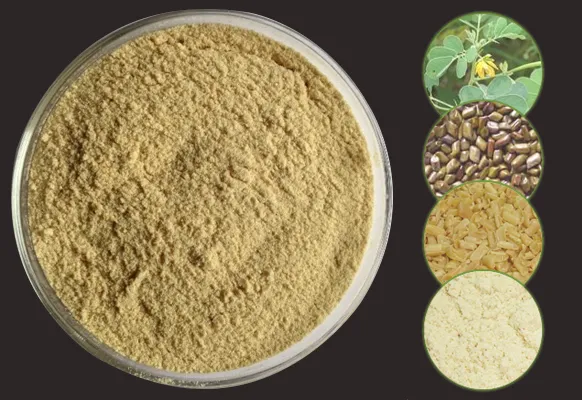
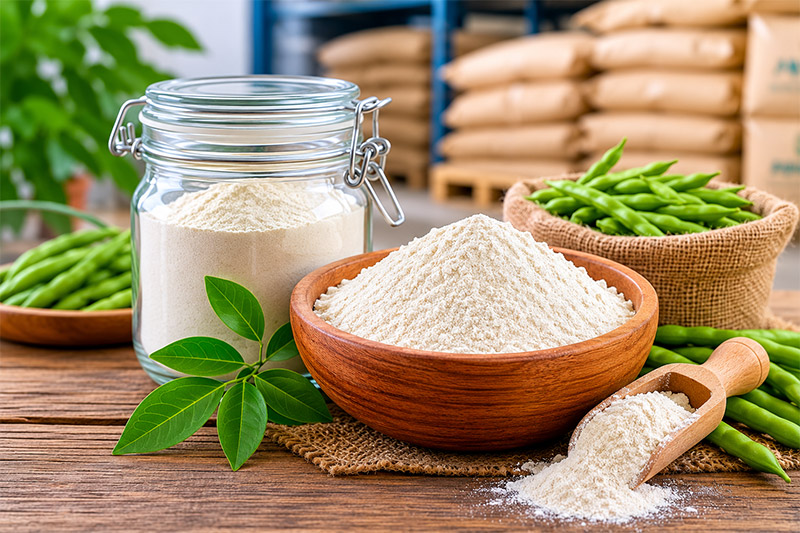
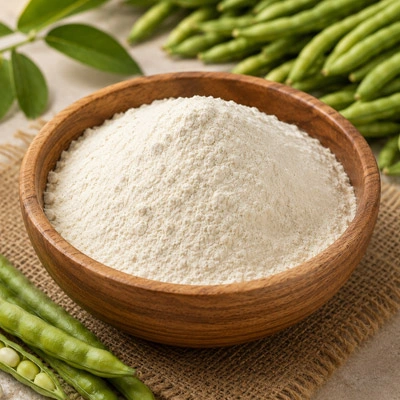
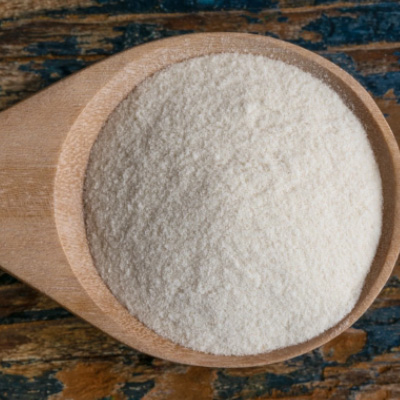
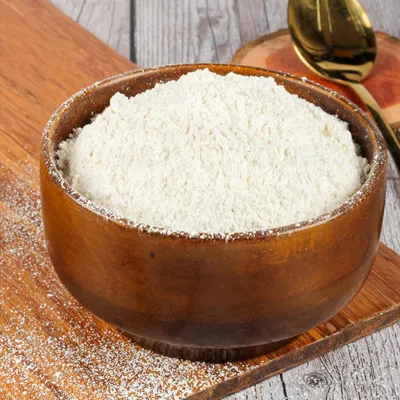
Guar gum is a natural powder made from the seeds of the guar plant (ग्वार का पौधा). Once processed, it will be in the form of fine white to off-white powder. It is generally used as a thickening, stabilizing, and binding agent in food, pharmaceutical, cosmetic, and industrial industries to improve texture, consistency, and performance.
High moisture, poor particle size or a low viscosity will likely produce poor results, so it is crucial to check quality before you buy.
Buying guar gum powder without checking key parameters is like a gamble. Here are five tests that will help you verify the quality.
1. Guar Gum Viscosity Test
Viscosity is the single number that defines whether an entire batch of guar gum powder will perform well or not. It measures how thick a solution becomes when the powder is dissolved in water at a standard concentration and temperature.
The standard test: Mix 1% guar gum powder into water at 25°C and measure it using a Brookfield viscometer after two hours.
Typical viscosity ranges may vary by manufacturer and application requirements.
2. Moisture Content
The functional performance and storage life of guar gum powder is directly dependent on the moisture content. The industry accepted range is 5% to 10%, anything above 12% raises real concerns.
Here is why this matters in practice:
- Powder above 12% moisture tends to clump during storage, making it harder to dispense and dissolve uniformly.
- High moisture accelerates microbial growth, specifically in warm and humid climates.
- Excess moisture during irradiation processing has been shown to accelerate gum degradation, which directly reduces viscosity over time.
- Moisture-compromised batches also show inconsistent hydration, which creates downstream formulation problems.
The test is simple: For 2 hours, oven-dry a weighed sample at 105°C and then calculate the percentage weight loss.
3. Guar Gum Mesh Size
Mesh size describes how well the powder has been ground. It controls how quickly the gum hydrates and how smoothly it disperses in your medium.
Many buyers overlook this and then run into texture or hydration problems that they incorrectly attribute to other causes.
Finer mesh powders disperse more evenly and reach peak viscosity faster. But they also have a narrower margin for processing error. Verify mesh size through particle size distribution reports, not just the mesh number printed on the bag.
4. Hydration Rate Test
Hydration rate tells you how quickly the guar gum powder builds viscosity after being dispersed in water. It is separate from final viscosity and just as important for process efficiency.
A standard hydration test at 25°C involves measuring viscosity readings at 15, 30, 60, and 120 minutes:
- Good-quality powder should reach approximately 70–80% of its peak viscosity within the first 60 minutes.
- Maximum viscosity is typically achieved at 120 minutes under cold-water hydration.
- Under standard test conditions, unusually slow hydration may indicate processing or particle-size related issues.
This test also reveals lot-to-lot consistency issues. If a supplier's product hydrates in 45 minutes on one delivery and 3 hours on the next, that variability will surface in your production. Request hydration rate curves, not peak viscosity numbers.
5. Batch-to-Batch Consistency
Individual batch quality is one thing, reliable batch-to-batch consistency is another. The majority of buyers only test on the initial order, then believe that the future deliveries will be the same. That practice has cost production teams a lot of money.
What to ask for:
- COA (Certificate of Analysis) for every batch, not just the sample batch
- Viscosity readings, moisture content, and mesh size data across at least three recent lots
- Any documented specification deviations and how they were handled
A supplier that maintains tight lot-to-lot viscosity tolerances and provides COAs proactively is one that has invested in process control.
Quick Red Flags Before Buying
- Yellowish or greyish powder
- Excessive clumping in sealed bags
- Unusual odour
- Missing COA or test reports
- Specifications not matching test results
Frequently Asked Questions
1. What is the most crucial quality parameter to test in guar gum powder?
Viscosity is the most important parameter because it determines the thickening and stabilizing performance of guar gum in food, pharmaceutical, and industrial applications.
2. Do batches of the same grade of guar gum powder differ in viscosity?
Yes. Different quality of guar bean, agricultural situation at harvest, and processing conditions would influence viscosity.
3. Which industries generally use guar gum powder?
Guar gum powder is utilised in the food industry, pharmaceutical industries, cosmetics, paper production, textile printing and the oil drilling industry.
4. How do I check hydration rate?
Measure viscosity at intervals like 15, 30, 60, and 120 minutes. Good quality reaches most of its final viscosity within 1 hour.
Conclusion
Verifying guar gum powder quality before purchase is an essential step. Testing of viscosity, moisture, mesh size, hydration rate, and batch consistency together gives you a complete picture of what you are actually receiving. Each test performed has a different purpose, and gaps in any one of them tend to show up at the worst possible time, i.e. mid-production. None of these tests will need lots of equipment.
They can generally be analyzed by the supplier's document and a simple lab test on reception. If you are sourcing guar gum for food, pharmaceutical, or industrial applications and want a supplier with documented quality standards, Ashapura Proteins Ltd. is a resource worth looking into.